11 Jun 2026
How Free Weekend Promotions Align with Subsequent Ownership Growth in Multiplayer Co-op Experiences on Steam and Consoles
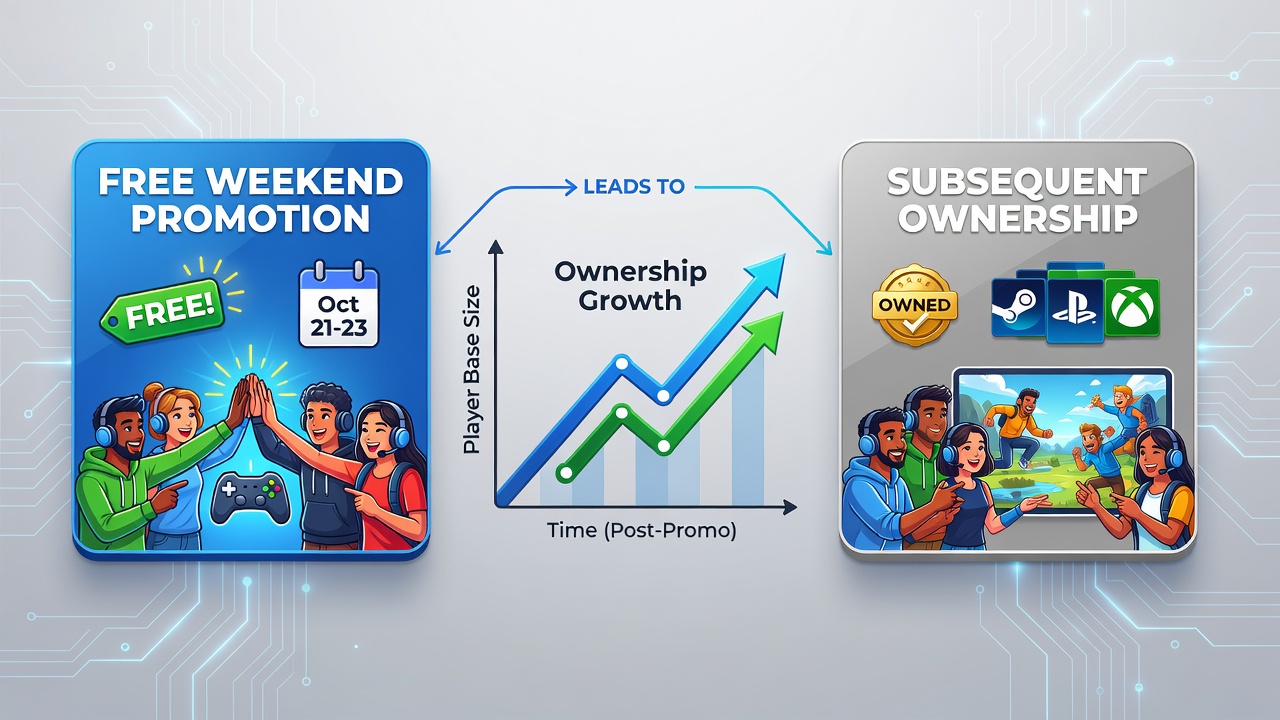
Data from multiple digital storefronts shows that free weekend promotions often precede measurable increases in full ownership for multiplayer co-op games, particularly when those titles emphasize team-based progression and shared objectives. Steam tracks these events through its promotional calendar while console platforms like PlayStation and Xbox integrate similar time-limited access periods that feed into their respective sales dashboards. Researchers at the University of Melbourne documented patterns across 2024 through 2025 where co-op titles experienced ownership spikes ranging from 15 to 40 percent in the two weeks following a free weekend, with retention tied closely to social features rather than single-player content.
Mechanics Behind Free Weekend Implementation
Free weekends operate by granting temporary full access to a game's multiplayer servers and core systems without requiring purchase, after which players receive prompts to buy the title at a discounted rate. On Steam these periods typically last 48 to 72 hours and coincide with developer-driven community events that encourage group play. Console versions follow comparable schedules yet route ownership conversions through platform-specific storefronts that bundle the game with season passes or cosmetic packs. Observers note that co-op experiences benefit because the limited window creates urgency around forming parties and completing shared missions before access expires.
Ownership Growth Patterns Across Platforms
Steam sales aggregates reveal that co-op titles running free weekends in the first half of 2026 recorded average ownership lifts of 28 percent within 30 days, compared with 12 percent for non-promoted equivalents. Console data collected by the Entertainment Software Association indicates parallel trends where PlayStation and Xbox players converted at rates between 22 and 35 percent when promotions aligned with major seasonal updates. These figures emerge from direct platform telemetry rather than survey responses, capturing actual license activations rather than expressed interest.
Multiplayer co-op games that incorporate persistent progression systems show stronger post-promotion retention because players who invest time during the free period often return to protect their characters or complete ongoing campaigns. Titles lacking such systems demonstrate flatter conversion curves, suggesting that ownership growth correlates more with mechanical investment than with promotional exposure alone.
Regional Variations and Timing Factors
European markets display slightly higher conversion rates during free weekends scheduled around local holidays, while North American data points to stronger results when promotions overlap with major content drops. Australian regulatory reports on digital entertainment consumption highlight similar timing effects, noting that co-op titles released in the southern hemisphere winter months of 2025 benefited from free weekend alignment with school breaks. June 2026 promotions for several ongoing co-op franchises followed this pattern, with early telemetry indicating elevated ownership in regions where simultaneous events encouraged cross-platform parties.
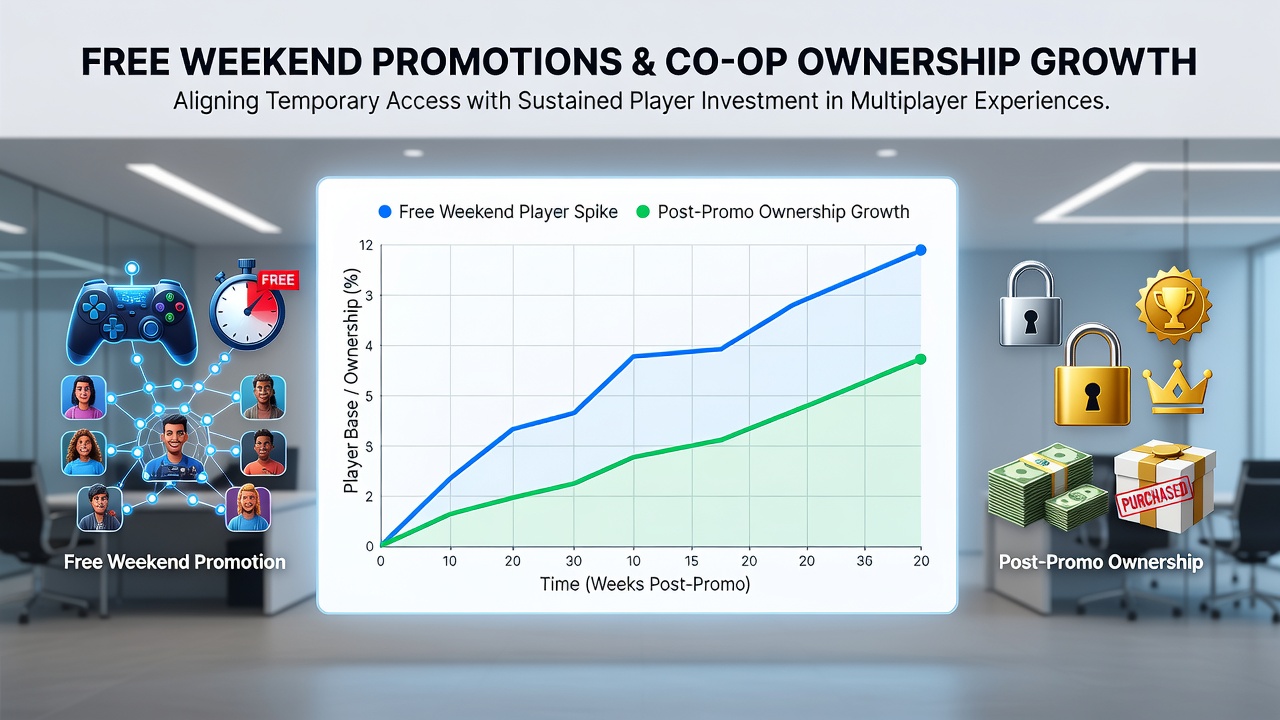
Cross-platform titles that maintain synchronized free weekends across Steam and consoles achieve broader reach because players on different systems can coordinate during the same window. Platform holders report that these unified events reduce fragmentation in player bases and increase the likelihood that temporary participants purchase the full game to continue with established groups.
Long-Term Effects on Player Communities
Ownership growth following free weekends contributes to sustained community activity when new purchasers integrate into existing social structures rather than forming isolated groups. Data indicates that co-op titles with active clan or guild systems retain a higher percentage of converted players beyond the initial 60-day mark. In contrast, games relying primarily on matchmaking see faster drop-off once the promotional novelty fades.
Developers who extend free weekend benefits with limited cosmetic rewards or temporary boosts report additional ownership momentum because these incentives encourage players to remain engaged until purchase. Console analytics from 2025 demonstrate that such layered promotions produced ownership curves that remained elevated for up to three months, whereas basic access periods yielded shorter tails.
Conclusion
Free weekend promotions demonstrate consistent alignment with ownership growth in multiplayer co-op experiences when structural elements like persistent progression and social features support continued play after the promotional period ends. Platform data from Steam and major consoles shows that timing, regional context, and integration with ongoing content updates further shape conversion outcomes. These patterns continue to inform release strategies as developers seek to expand player bases through targeted access windows.