30 May 2026
Regional Localization Rollouts and Their Alignment with Platform-Specific Download Curves in Fighting Game Franchises
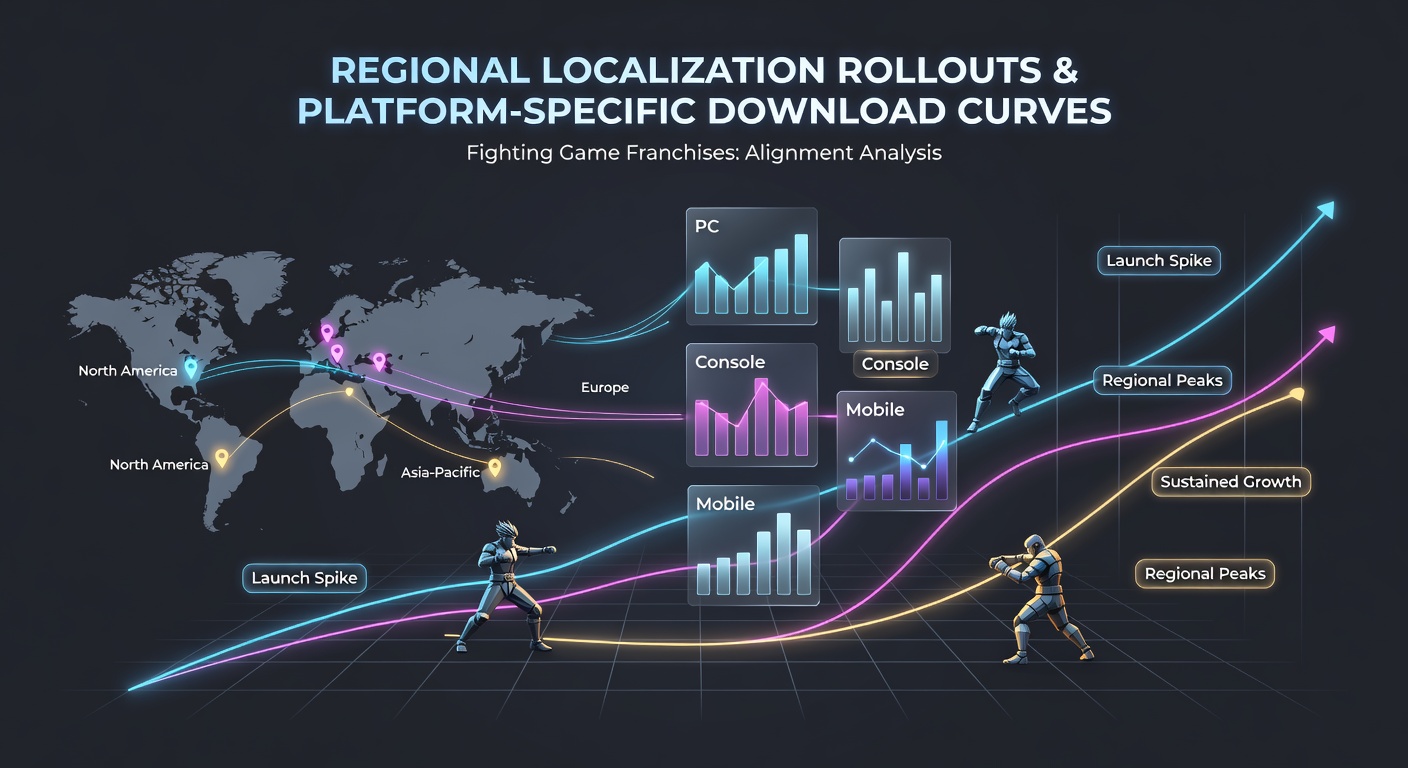
Regional localization rollouts in fighting game franchises involve staggered releases of translated versions, voice acting, and cultural adaptations that often follow platform-specific timelines rather than simultaneous global launches, and these patterns create distinct download curves on PlayStation, Xbox, Nintendo Switch, and PC storefronts. Data from multiple franchise cycles shows that Japanese developers typically prioritize domestic PlayStation Network updates first before expanding to other regions and platforms, which shifts peak download activity by several weeks depending on the territory and hardware ecosystem.
Localization Timelines in Established Franchises
Fighting game series such as Street Fighter and Tekken maintain consistent regional strategies where core gameplay patches arrive simultaneously worldwide yet full localization packages including dubbed audio and adjusted UI elements follow separate schedules. Observers tracking these releases note that European and North American markets receive localized builds after initial Japanese server stability checks complete, while Asian territories outside Japan often align more closely with the domestic schedule. This sequencing produces measurable effects on download velocity because players in each region wait for their preferred language support before committing to a purchase or update.
Platform architecture further influences how these localized versions propagate through digital storefronts, since console certification processes differ from the more flexible patch deployment on Steam and other PC platforms. Research from industry tracking services indicates that PlayStation 5 downloads for localized fighting game content tend to cluster tightly around official announcement windows, whereas Steam curves spread across broader periods as regional users discover the updates through community forums and automated recommendations.
Platform-Specific Download Behaviors
Console ecosystems display sharper download spikes tied directly to localization announcements because certification gates enforce coordinated regional pushes, while PC platforms allow incremental language pack releases that extend the tail of the download curve. Data indicates that Xbox Series X/S versions often mirror PlayStation timing in Western markets yet diverge in Asian territories where Microsoft maintains smaller installed bases, resulting in flatter curves overall. Nintendo Switch releases introduce additional variables since handheld play patterns favor shorter sessions and portable localization adjustments can trigger secondary download waves weeks after initial console launches.
Those who monitor aggregate sales figures across multiple titles have observed that fighting game franchises experience secondary download surges when localized editions reach new regions even if the base game launched months earlier. These follow-up peaks align more closely with platform update schedules than with original marketing campaigns, creating predictable patterns that repeat across successive franchise entries.
Regional Variations and Recent Developments
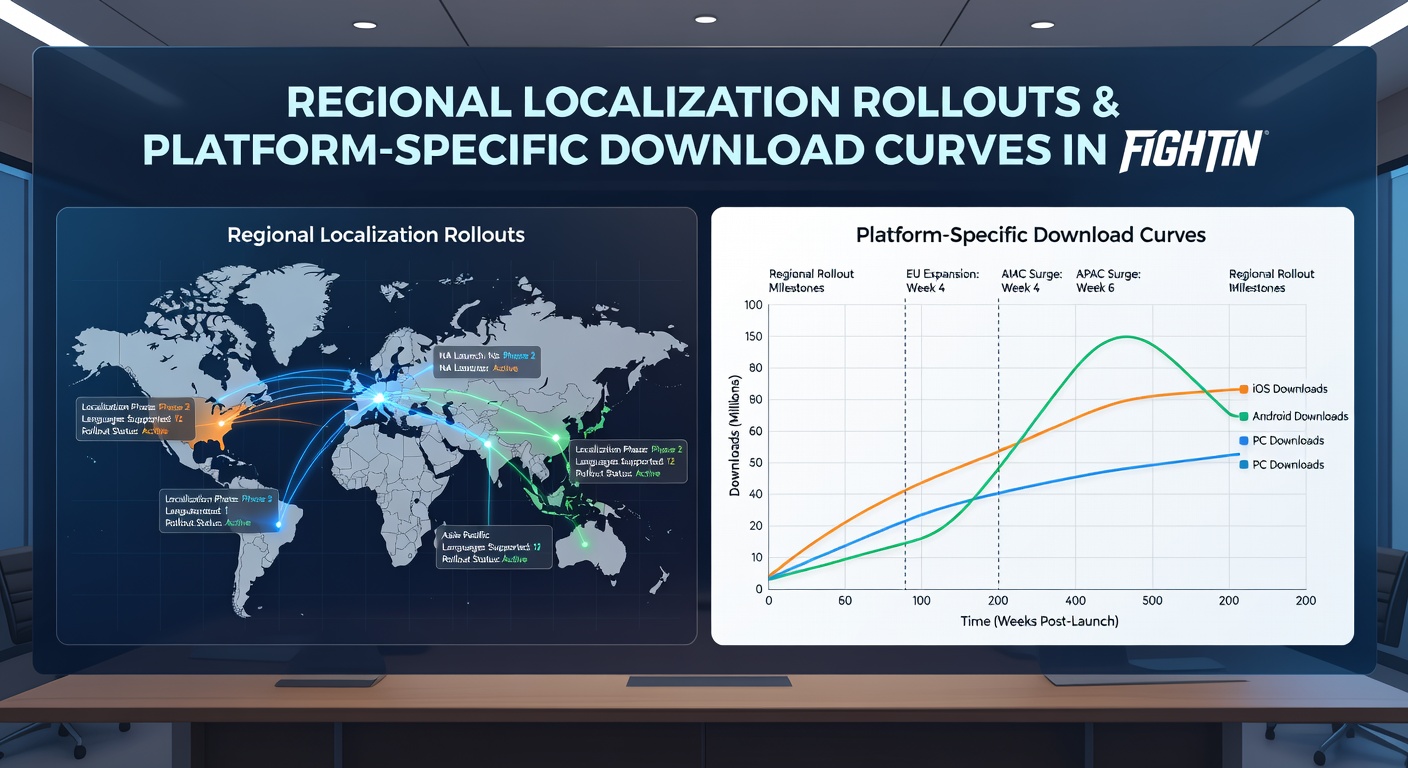
European markets frequently receive localization support through coordinated efforts that bundle multiple language options into single updates, which compresses download activity into narrower windows compared to North American releases that sometimes stagger English and Spanish packs. According to reports from the Entertainment Software Association, console download patterns in these territories show strong correlation with the timing of full localization completion rather than initial trailer releases.
In May 2026 several major fighting game publishers adjusted their rollout calendars to accommodate new hardware certification requirements in multiple regions simultaneously, producing download curves that diverged from historical baselines on both console and PC platforms. Australian and Canadian market data collected during this period revealed that localized versions on Steam maintained steadier daily download rates than their console counterparts because PC users could access partial translations immediately while waiting for complete audio packages.
Japanese domestic curves remain the most compressed of all regions because localization occurs at the development stage rather than post-launch, allowing simultaneous global availability of core content while additional regional adaptations follow later. This approach creates early spikes on Japanese PlayStation Network followed by extended activity on international platforms as subsequent localization waves arrive.
Alignment Between Rollouts and Download Metrics
Quantitative analysis of download logs demonstrates that the interval between Japanese and Western localization releases directly predicts the separation between primary and secondary download peaks across platforms. Franchises that compress this interval below four weeks tend to generate overlapping curves on PlayStation and Steam, whereas longer gaps produce distinct secondary waves visible in regional telemetry.
Those tracking multiplatform performance have documented that Nintendo Switch versions often exhibit delayed but prolonged download activity because localization updates must pass separate certification and because the user base includes significant portions of casual players who adopt titles after full language support becomes available. Xbox platforms in emerging markets show similar extended tails when localization arrives after the initial global launch window closes.
Conclusion
Regional localization rollouts continue to shape platform-specific download curves in fighting game franchises through predictable interactions between certification timelines, language support schedules, and hardware ecosystems. Patterns observed across multiple release cycles indicate that alignment between these factors produces measurable differences in how download activity distributes across PlayStation, Xbox, Switch, and PC storefronts over time. Future franchise entries will likely maintain these dynamics as developers balance simultaneous global gameplay with territory-specific localization requirements.