17 Aug 2026
Video Game Sales Trends and Review Aggregates Across Platforms
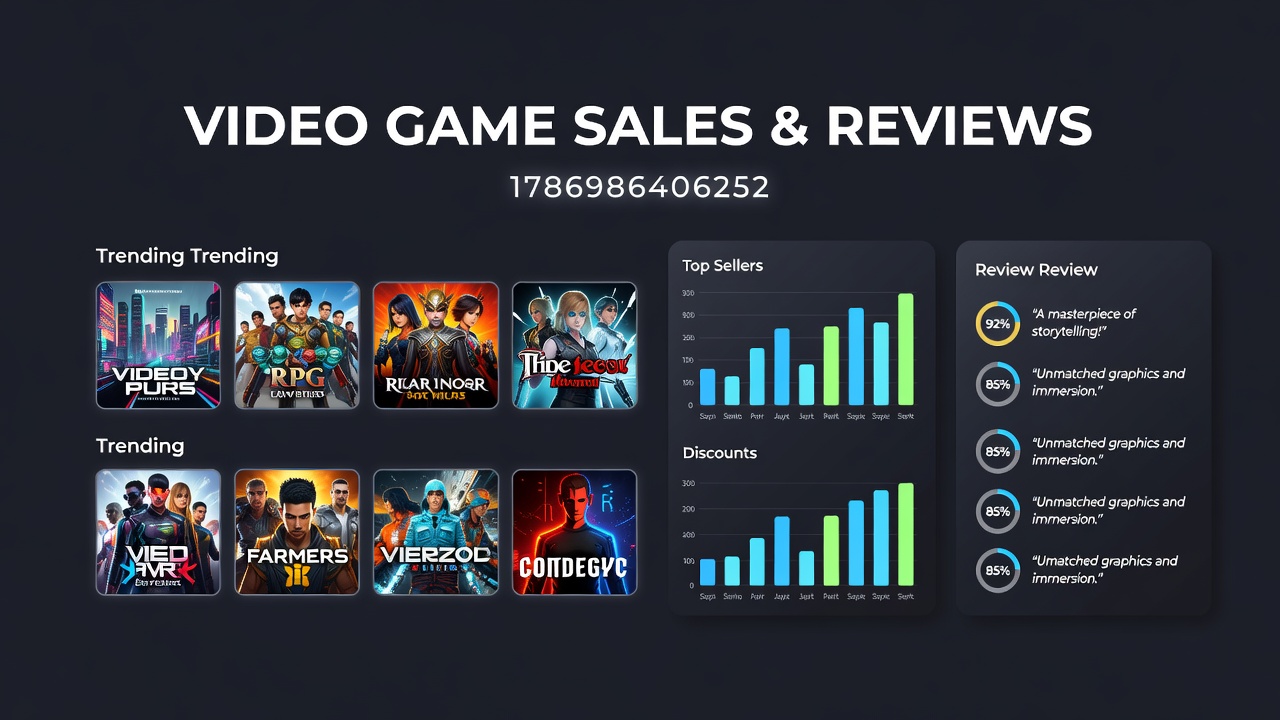
Video game sales data and review aggregates provide measurable indicators of industry performance, with figures compiled from digital storefronts, console manufacturers, and third-party analytics firms revealing shifts in consumer behavior throughout 2026. Observers note that digital transactions now account for the majority of revenue across PC and console ecosystems, while physical media continues to occupy a smaller but persistent segment in select regions. According to reports from the Entertainment Software Association, combined software sales in the United States exceeded prior-year benchmarks during the first half of the year, driven largely by recurring live-service titles and seasonal promotions.
Review scores collected through sites such as Metacritic and OpenCritic serve as standardized reference points for both publishers and players. Critics assign numerical ratings that aggregate into overall averages, and these numbers often align with early sales velocity for new releases. Data shows higher critic aggregates frequently correspond to stronger launch-week performance on Steam and major console stores, although the relationship weakens over subsequent months as word-of-mouth and post-launch patches exert greater influence.
Platform-Specific Sales Patterns
Console hardware sales have maintained steady trajectories into August 2026, with hybrid devices and cloud-enabled systems contributing incremental growth in markets outside traditional strongholds. Nintendo's portable lineup continues to post consistent download figures for first-party franchises, while Sony and Microsoft report elevated digital attach rates for multiplayer and battle-pass supported games. PC storefronts, led by Steam, record the highest volume of user-generated review submissions, creating dense datasets that developers reference when planning content updates.
Regional variations appear in sales curves, with European markets showing stronger uptake for strategy and simulation genres compared to North American preferences for action-oriented releases. Analysts tracking download metrics across storefronts observe that localized pricing and regional event tie-ins produce measurable spikes that diverge from global review averages. Those who monitor platform telemetry note that free-to-play transitions in established franchises have extended revenue windows well beyond initial purchase periods, altering traditional sales lifecycle models.
Review Score Correlations with Revenue
Studies examining aggregated critic and user scores find moderate positive correlations with unit sales in the first thirty days after release, yet longer-term ownership patterns depend on factors such as downloadable content cadence and community management. Titles that sustain review momentum through patches and seasonal events often outperform peers with comparable launch aggregates. Steam's review system, which weights recent player feedback separately from overall tallies, provides granular visibility into sentiment shifts that precede or follow sales fluctuations.
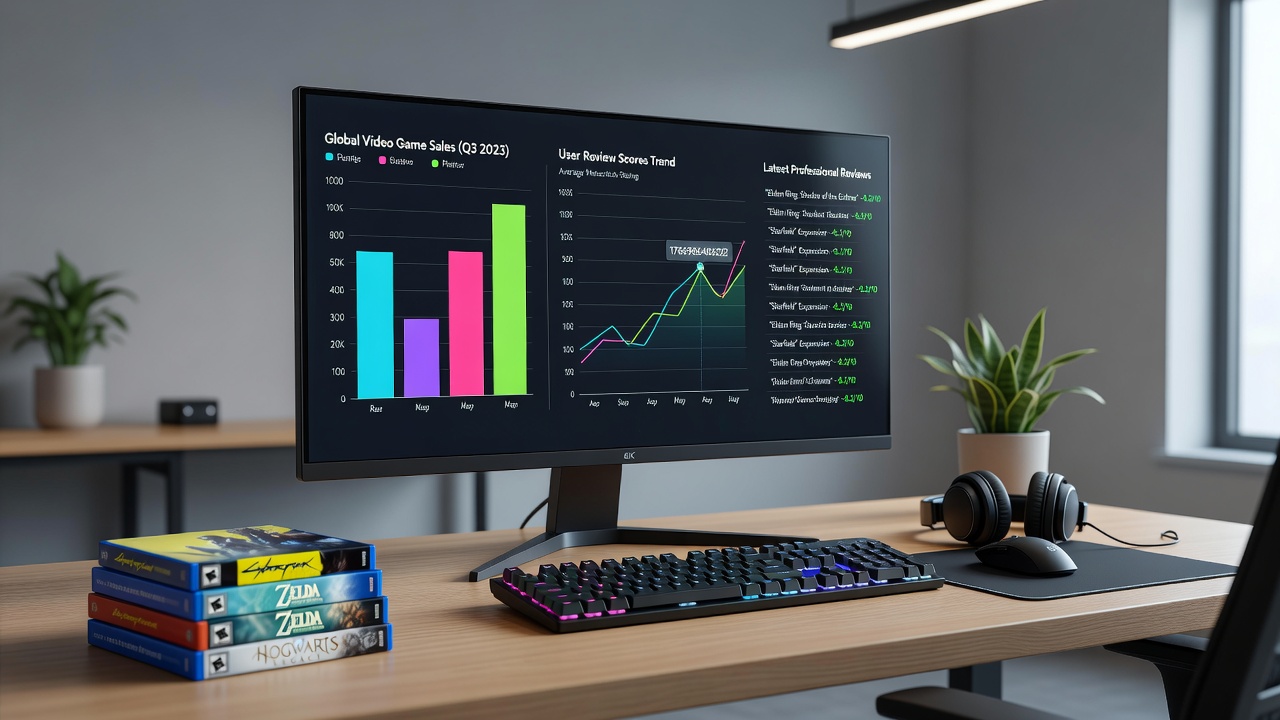
Industry organizations including the European Games Developer Federation compile comparative data across member states, highlighting how user review volume influences algorithmic visibility on digital platforms. Research from academic groups at institutions such as the University of Alberta has examined large-scale datasets linking review language sentiment to retention metrics, offering quantitative frameworks that publishers apply during post-launch planning cycles. These analyses indicate that negative user score trajectories can accelerate revenue decline even when critic aggregates remain stable.
Emerging Data Sources and August 2026 Context
By August 2026, handheld and cloud gaming segments have registered accelerated adoption rates in Asia-Pacific territories, with download statistics from regional platform holders showing double-digit percentage increases over the same period in 2025. Sales dashboards now incorporate telemetry from subscription services, where playtime rather than outright purchases serves as the primary revenue proxy. Review aggregates for games distributed through these services reflect different weighting methodologies, emphasizing sustained engagement over initial impressions.
Cross-platform releases continue to generate divergent sales and review outcomes depending on storefront policies and regional certification timelines. Observers tracking multiplatform data note that simultaneous launches can produce unified review pools, while staggered rollouts allow developers to iterate based on platform-specific feedback before wider distribution. Government statistical agencies in Canada and Australia publish periodic entertainment software reports that supplement private analytics, providing standardized benchmarks for market share calculations.
Conclusion
Video game sales figures and review aggregates together form an interconnected measurement system that evolves with platform capabilities and consumer access models. Data compiled through industry associations, academic research, and storefront analytics continues to inform development priorities, while August 2026 observations underscore the growing weight of digital and subscription-driven metrics. Continued refinement of these datasets supports clearer comparisons across genres, regions, and release windows without reliance on isolated anecdotes.